All Categories
Featured

How Machine Learning Drives Modern Search Rankings
: The circulation of your referring domains by Authority Ratings. Include the search engine, device, location, and language that you want to track positions for. They should consist of the search terms that you want to construct topical authority around.
To see whether you're developing topical authority. Compare your ranking positions before and after the content was released.
If you see positive increases in ranking positions, you're likely building topical authority in those subject areas. Prioritize building topical authority with your content to develop unstoppable.
[target2:anchor_exact1]momentum. Google works by identifying and classifying entities, so if your (personal) brand is classified in a pertinent classification, you're one step better to becoming a topical authority.
But there are likewise good factors that Google looks at the content and authorship when recognizing topical authority: Topical authority is not a brand-new concept. It's comprised of several authority signature entries. The patent notes that the objective is "to identify users with know-how in particular subjects." The patent also explores the possibility of how a series of documents can contribute to the" Authority Signature Worth"of their author. The authority signature value collects the author's weighted authorship on a subject across multiple documents they have actually authored. It's still exposing to know that Google has been giving this "authorship "data quite some believed for a very long time. Searching Google will help you understand topical authority even better. From Understanding Panels to extra areas like"Articles"and "About, "you'll have a better idea of topical authority with the outcomes appearing for branded searches: Google's brand-driven image search is likewise practical in understanding how Google categorizes any brand: Now, let's get to some actionable ideas here( I hope you came down here to discover it, but all the uninteresting stuff above is essential to comprehend what we need to do to develop topical authority). Enough for you to have time and resources to format it well, surface area it efficientlyon your site, and market it efficiently to obtain other important signals(like links and engagements). This sounds old, however it remains crucial. From everything I mentioned above, it's obvious that Google assigns topical authority based on the authoritativeness of the resource. Don't make it about amount. Focus on popular authoritative resources. If Google understands something well it's entities and how these are linked. Being mentioned by other entities suggests becoming part of Google's Knowledge base, that is, its map of the world. However this isn't a simple procedure. You'll need to take a few actions, including: Get nominated and win market awards. Compose for well-known industry publications(this is what I am doing here, for example )Take part in interviews(appearing in podcasts is likewise fantastic ). Get popular publications to cite your content (invest in top quality journalistic outreach ). Become part of professional organizations(and point out that on your website ). Whatever you do will eventually-directly or indirectly -assist you establish yourself as a topical authority. All of these will contribute to your becoming an entity, one action at a time. Schema assists Google link all the dots. Google supports just a couple of schema types but it mentions sometimes:"Surpass those."Use Schema to link to your official channels, markup your authorship, and include your locations of expertise. Start by establishing a to inform Google a little bit more about your brand and know-how.
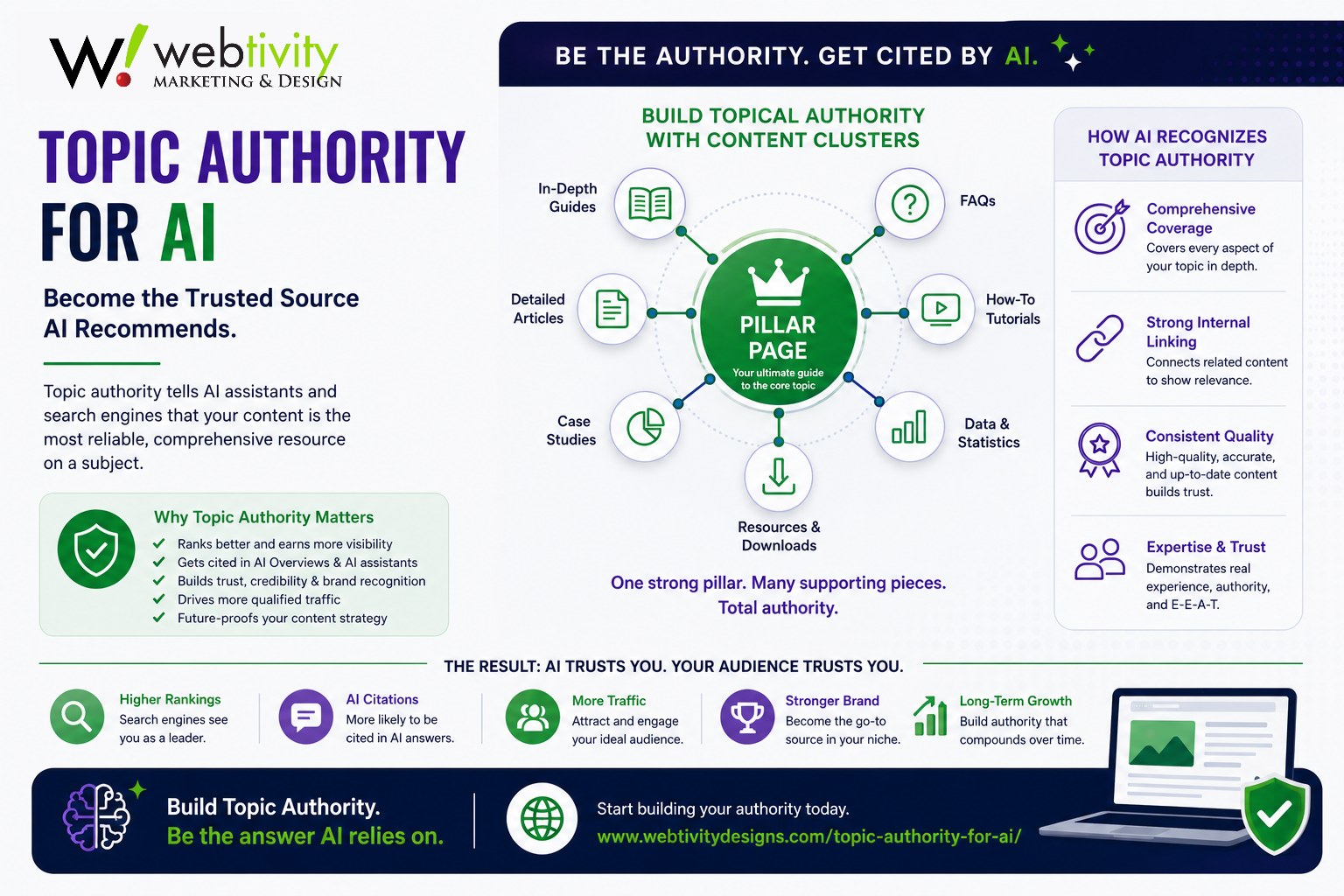
refers to being a go-to resource or professional on a particular subject. It can apply to a website's proficiency on a topic or an individual's expertise. Google has actually long attempted identifying topical authorities through initiatives like authorship markup and patents on computing "authority signature values. "Topical authority impacts things like Google's knowledge panels, search result rankings, and brand-driven searches. The more authoritative content related to a brand, the higher the topical authority. Are you thinking about discovering topical authority to enhance your search engine rankings? While it may initially seem complicated, nailing topical authority significantly enhances your website's efficiency. Basically, it involves developing your site as a relied on resource on specific subjects. When you attain this, search engines like Google are more most likely to rank your website greater. These are the points we'll cover: ExactMetrics is the very best WordPress Analytics plugin. Get it totally free! Topical authority implies placing yourself as a professional in a specific discipline. When your site provides comprehensive and important information on a specific subject, online search engine view it as a reputable source, which helps your website rank better in search results. By sharing comprehensive short articles on numerous cleaning methods, suggestions for tackling different types of stains, seasonal cleaning guidance, and solutions for common household cleaning issues, your site can end up being a favored destination for cleaning lovers. Online search engine recognize that your site completely covers numerous cleansing subjects, which results in greater rankings when users browse for related information. This is especially beneficial if you run a small company or site. Even websites with low Domain Authority (DA)can.
[target1:anchor_exact1]
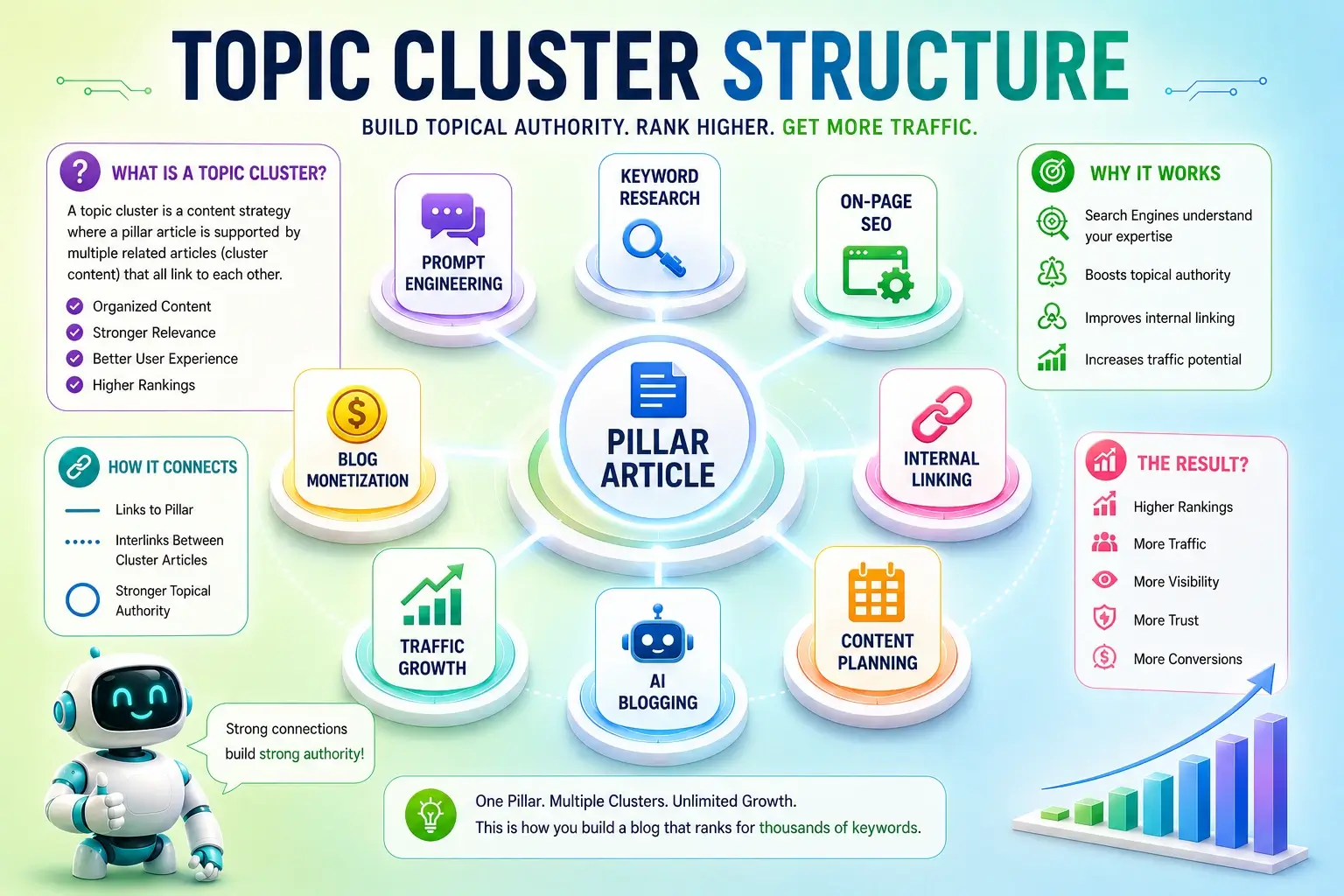
surpass those with higher DA if they stand out in topical authority. A small cooking blog using in-depth dishes, cooking ideas, and nutritional advice can outrank a bigger website with only basic dishes. If your material is informative and interesting, visitors will remain on your website longer, suggesting to search engines that your site holds value. Next, let's look into how Google ranks sites and their newest updates. Google uses several requirements to identify your site's ranking. Factors such as top quality content, fast loading speeds, mobile friendliness, and a total favorable user experience play essential roles. One considerable aspect to consider is Google's latest practical material updates. These updates are created to emphasize material that works, informative, and directly appropriate to users 'search inquiries. If your content fulfills these requirements and truly helps users, it is more likely to attain a greater ranking. E-A-T, which represents,, and, is another important ranking aspect. Here's what we'll cover: Performing keyword research study is foundational to constructing topical authority. Before composing content, it's important to understand what your audience is looking for. Consider your audience's interests. What questions do they have? What information are they seeking? Your objective is to offer comprehensive protection of all this. This is a broad term that encapsulates your whole subject. For instance, if your subject is"home workouts, "an excellent seed keyword might be "novice exercise routines. " Avoid terms that are too generic, like"fitness, "or overly specific, like"yoga postures for lower back pain."After selecting a seed keyword, broaden your list of associated topics. Enter your broad subject. Take a look at the recommended filters. These often provide associated ideas worth checking out. For circumstances, see what occurs when you type in"baking recipes"Why rule out focusing on simple or no-bake cake recipes with couple of active ingredients? You can even do a seasonal series for summer season, winter, and fall or" Enjoyable Halloween Cake Recipes. "For more extensive keyword research, we suggestutilizing a tool like Semrush . In addition, analyze the posts that rank well for your chosen keywords. Research study these top-level short articles to understand what they cover, how they structure their material, and how they utilize headings. This insight exposes what both Google and users anticipate when looking for these terms. By evaluating these successful posts, you can develop material that fulfills or goes beyond these requirements, therefore constructing your topical authority in the eyes of search engines. To establish strong topical authority, you must create a content cluster. This involves developing a mix of pillar posts(also understood as cornerstone material )and supporting short articles that are interlinked. These are substantial, detailed pieces that cover a broad topic thorough. They serve as the central centers of your content cluster. For instance, in the realm of individual financing, supporting articles could include "How to Create a Spending plan,""Comprehending Credit Rating, "and"Tips for Conserving Money. " Have a look at our thorough tutorial on Foundation Material for SEO: What It Is & How to Develop It for more insights. Organizing your content into clusters leads to a well-structured, interconnected info web. How lots of short articles do you have to write to create a reliable content cluster? There's no fixed number, but a good indication is when your brand-new content on a topic begins ranking easily. That's an indication you've developed topical authority. Protecting backlinks is among the most difficult elements of SEO. However, there are reliable approaches to get premium backlinks. Here are some actionable ideas: Write short articles for other blogs and sites within your specific niche. This assists you use a wider audience and gets you valuable backlinks. The most organic way to acquire backlinks is by producing content that others want to connect to.

Latest Posts

2026 Future of AI-Led Content in the US

Can AI Generate Real Topical Authority?
Selecting High-Performance AI SEO Tools