All Categories
Featured

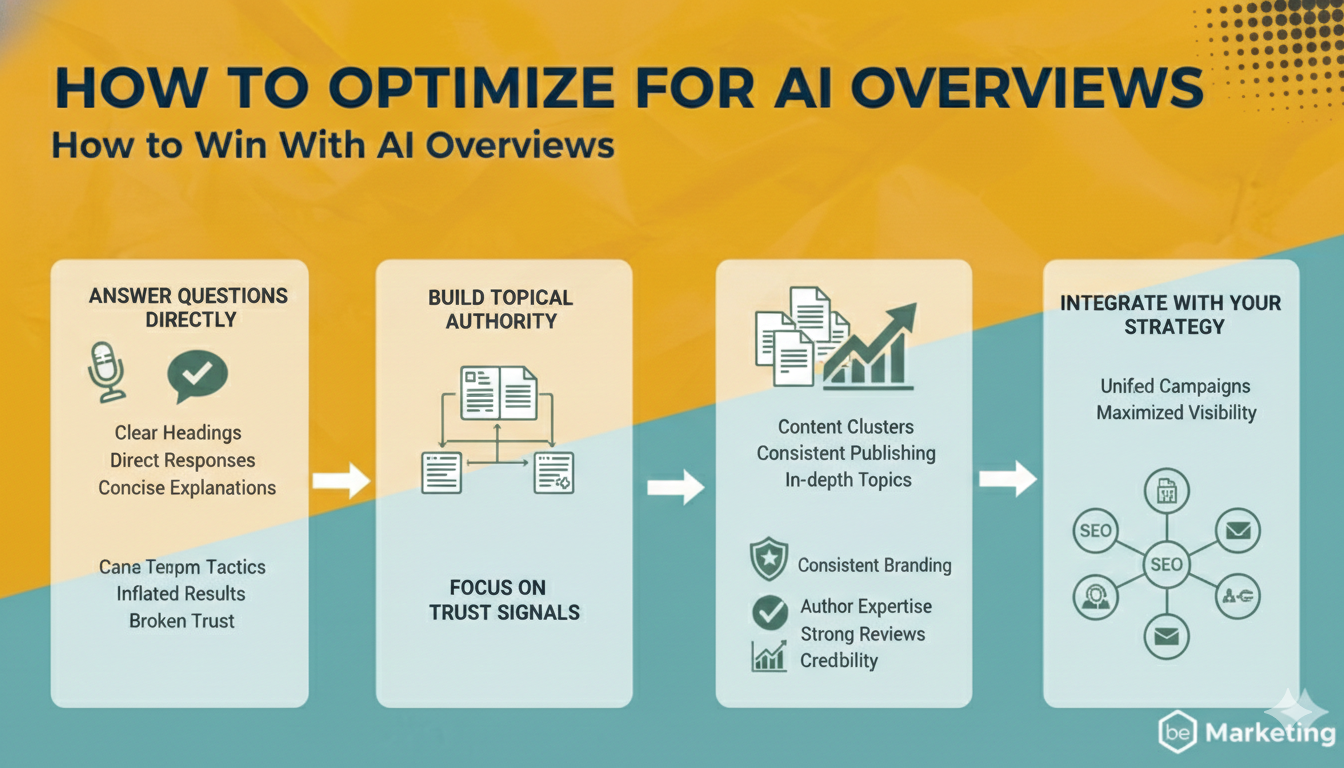
How to Scale Deep Digital Authority With AI
Topical authority describes a site's know-how and credibility on a specific topic. And developing it through high-quality material is a powerful way to develop your knowledge and reliability on subjects appropriate to your business. This helps with making your target market's trust, improving your online search engine rankings, and potentially driving more conversions.
Note how the website's topical authority is noted as "High" for the term "pet dog training."Topical authority differs from domain authority, which measures a site's total reliability and impact throughout all subjects.
[target2:anchor_exact1]Strong topical authority improves search efficiency, as Google usually trusts reliable sources and ranks them higher in its search engine results pages (SERPs). Here's a more detailed explanation of the ways topical authority impacts SEO: Topical authority develops confidence in your brand name for readers and search engines alike. This results in more returning website visitors and greater SERP rankings.
And because Google trusts that their details is reliable, it ranks them before other websites for ecommerce searches. Searchers are most likely to trust them due to the fact that of these high rankings. And click through to their websites.Our research study programs there's a strong correlation between high rankings and more clicks. Topical authority likewise results in natural link building. Plus, those links act as votes of self-confidence to browse engines. In essence, they're vouching for those sites so they gain a lot more trust from Google. That's why pages with many backlinks (especially from relied on sources )frequently rank greater in the SERPs. Meta and Statista are fine examples of sites with strong authority in their niches. Structure topical authority can be a sluggish process.
Is Your Company Ready for AI-Driven Search?
The best example is when a service outranks a larger rival due to its authority in a specific specific niche. Google makes every effort to provide the best possible search experiences.
[target1:anchor_exact1]
So it prioritizes the most appropriate, useful, and credible pages when ranking results. And a lot of Google's algorithm updates and declarations have actually declared its choice for trustworthy, educated, and experienced publishers. Here's a quick timeline of updates pressing topical authority to the forefront:: The Panda algorithm upgrade intended to"decrease rankings for low-quality sitessites which are low-value include for users, copy material from other sites, or sites that are just not extremely beneficial.": Hummingbird(online search engine algorithm reword )was the dawn of semantic search.: The Valuable Content Update altered Google's Proficiency, Authoritativeness, Reliability(E-A-T)guidelines into E-E-A-T adding "Experience."The aim was to reward content developers with firsthand experience in their topics.:Google's second Handy Content Update concentrated on elevating material that's practical, top quality, and displays firsthand experience. The update lowered rankings for sites with thin, duplicate, and unhelpful material.: The Valuable Material Ranking System was integrated into Google's Core Ranking System, and several systems started assessing the helpfulness of contentTopical authority in SEO is particularly pertinent for news. Google uses a dedicated to prioritize results from"news groups that are totally familiar with the place and subject."Here are 4 easy pointers to start constructing topical authority for your brand name and site. It's much more time -and cost-effective than setting your sights on a broad, extremely competitive field. You could aim to become a trusted voice on knitting patterns as opposed to knitting more broadly. It'll be easier to create genuinely initial, high-value content. The fastest method to build groups of closely associated content ideas is to use Semrush's AI-powered Keyword Technique Contractor. Start by entering a few seed keywords (broad terms that are related to your organization)into the tool, select your target area, and click". "The tool will then offerideas for pillar pages (primary pages that cover a broad subject )and subpages(pages that explore one of the pillar pages' subtopics in higher information ). Scroll down to"Pages Details." Pillar pages are noted most plainly in the table. And its pertinent subpages are noted below. Like this: Here, you can see that "crochet animals,""adorable things to crochet," and"little crochet projects"could all appropriate subtopics for the larger pillar page. Click on the arrow to the left of any pillar page or subpage to expand the row. Which will give you recommendations for how to create a high-quality, useful piece of material. The more relevant, high-quality, search-friendly material you develop, the more topical authority you can construct. So, you'll needlots of data-backed content ideas to expand upon your initial topics.Keyword research tools can help you find much more appropriate search terms to target with your SEO and content marketing efforts. Here's how it works using Semrush Keyword Magic Tool: Go into a broad topic related to your organization, add your domain to utilize our AI-powered function, choose your target location, and hit"."The tool will list all the keyword suggestions basedon your picked seed term. The broader your preliminary term, the more ideas there'll likely bein this case, there are more than 127,000 keywords. For instance, by clicking" socks, "we get a list of subject concepts connecting to knitted sock patterns. Keywords with considerable search volumes(the typical number of monthly searches)and lower-than-average keyword problem scores (KD %)are typically good candidates for those simply starting. Keyword problem estimates how challenging it'll be to rank in Google's top 10 for an offered term. Your website's chances of success might be less or more depending upon your existing topical authority. Which is why Semrush has added a Personal Keyword Problem (PKD%)score. Which assists you find the very best opportunities for your particular site. Click on the ""filter at the top of the table, select"," and click "."The table will now show you the keywords that are most convenient for your website to rank for. Implying that site stands a fantastic possibility of ranking near the leading if they develop a top quality piece of material about this topic. Send appropriate terms to Keyword Method Builder by clicking the ""sign beside a keyword to add it to your current keyword list: Although you can't totally control who connects to your content or discusses your brand name, you can draw in quality backlinks using some basic methods. Outreach includes calling relevant websites and asking for links to your site. It's the most straightforward technique. For a compelling pitch, explain what makes your proposed piece of material unique and important. It might be the only research study of its kind in your market, for example. And specify. You want those site owners to clearly see the advantage of linking to you. Dead links hinder the user experience(UX), which means numerous site owners enjoy to change them. Reconcile your outreach time by only offering link replacements when they're best fits. This is simple with Backlinks. Due to the fact that you can use it to discover all the domains that link to damaged pages on a competitor's site. Frequently, it's just since the author hasn't thoughtto add one. By reaching out and describing the benefit of linking to your content, you might convince them to change it. Utilize the Media Tracking tool within Semrush's Social Toolkit to get notices when another website mentions your organization. So you can quickly find these chances. Unique, initial insight is constantly best.
"You'll see a tree diagram including concerns that Google users who browsed your topic also asked: Click on any of these to explore more follow-up concerns and utilize the most appropriate ones to motivate your content.: Here are some tools that can assist you determine your website's trustworthiness and competence in a topic location: Semrush's Topical Authority metric can assist you determine how credibility your site has for particular search terms." There will be a ranking of"Low,"" Moderate, ""Appropriate, "or" High"under the "Topical Authority"label."Near the top of the page, you'll see"Referring Domains"( the number of domains that point back to your website)and"Backlinks" (the overall number of backlinks pointing to your website ).

Latest Posts

2026 Future of AI-Led Content in the US

Can AI Generate Real Topical Authority?
Selecting High-Performance AI SEO Tools